Whether an animal can travel depends on its welfare needs, the carrier and the import rules of the destination. These summaries explain what is usually involved.
Dogs and cats
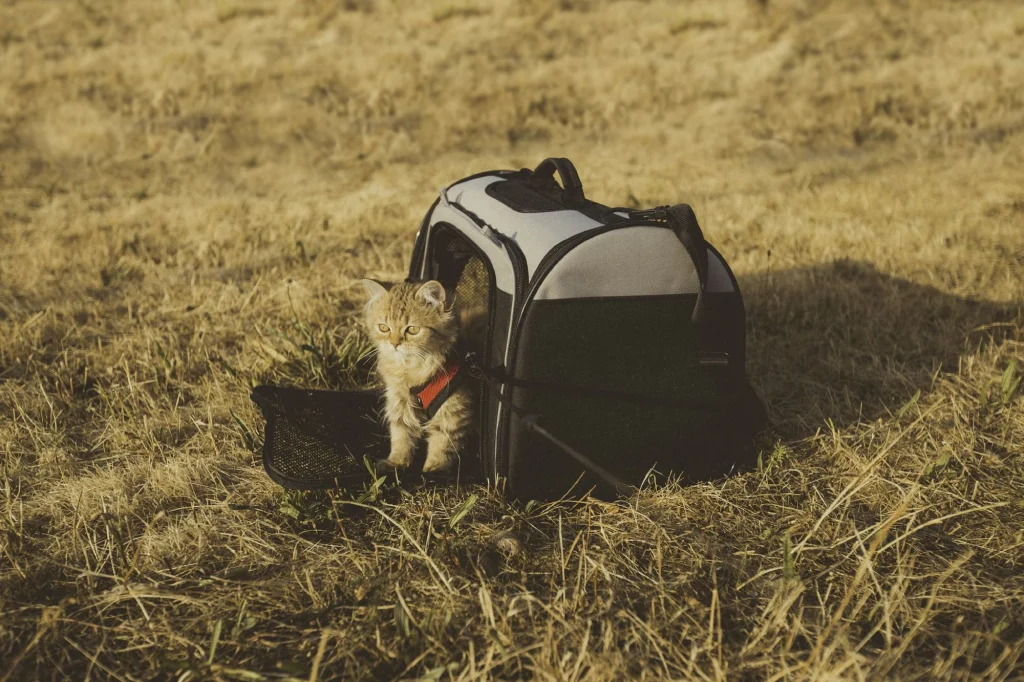
The majority of international moves. Requirements usually include a microchip, rabies vaccination and a health certificate; some destinations add blood tests, parasite treatments, import permits or quarantine. Some airlines restrict short-nosed (brachycephalic) breeds.
Pet birds can often travel internationally, but many countries apply avian influenza controls, CITES permits for protected species and, in some cases, quarantine on arrival.
Reptiles may require CITES documentation and specialist packing for temperature control. Some countries prohibit private import of certain species altogether.
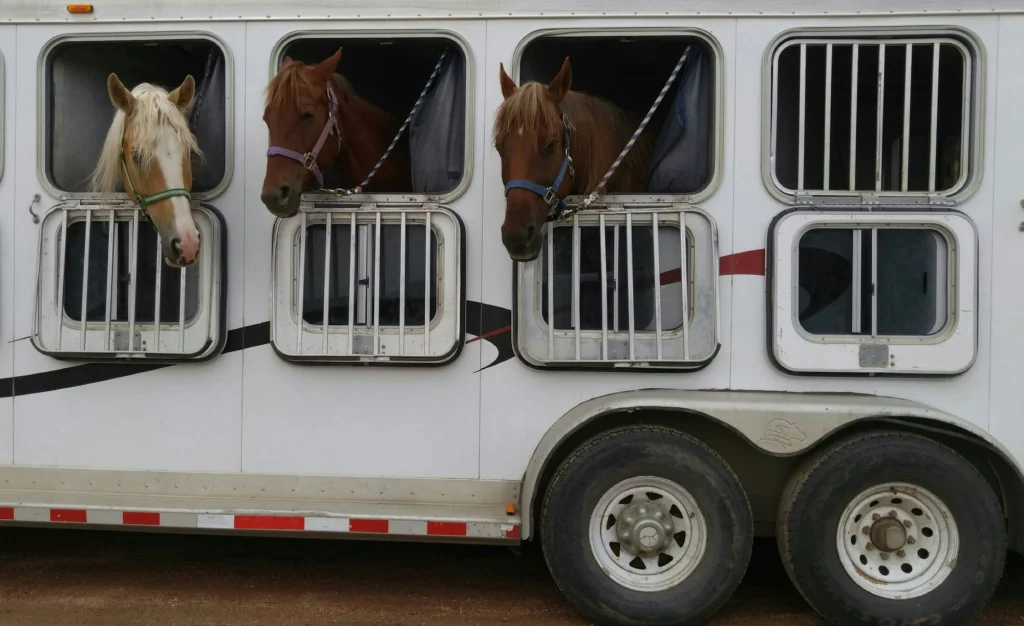
Equine moves need dedicated stalls or horseboxes, a groom where appropriate, and health testing and certification set by the destination. Many countries require pre-export isolation and post-arrival quarantine for horses.
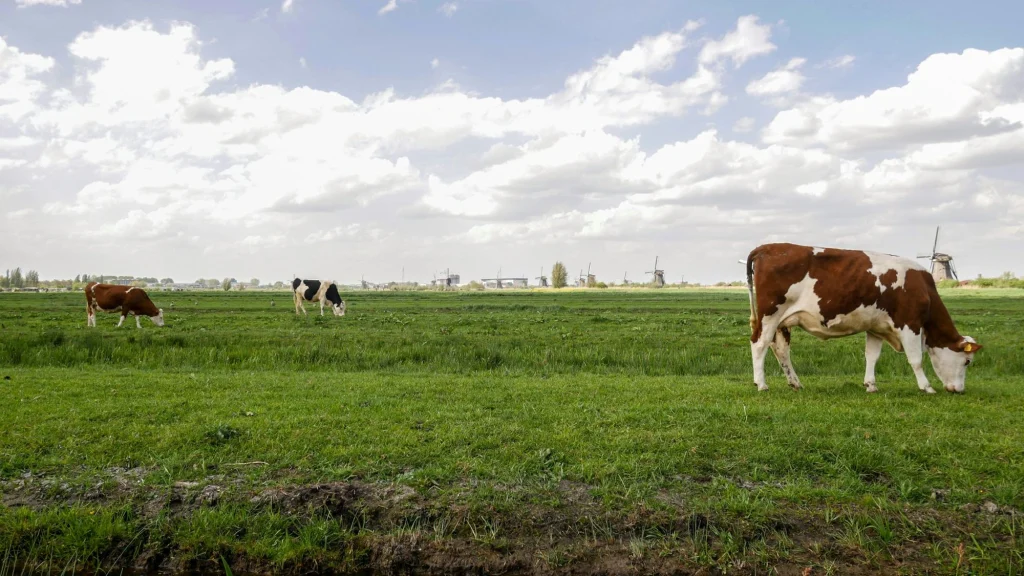
Livestock moves are governed by export licensing, animal health certification and welfare-in-transport rules in both countries. Feasibility depends heavily on the route and the purpose of the move.
Tell us the route, the animal and your preferred dates. A coordinator will review the details and reply with a written quotation or questions — nothing is booked until you and our team confirm.